PROVES Atlas
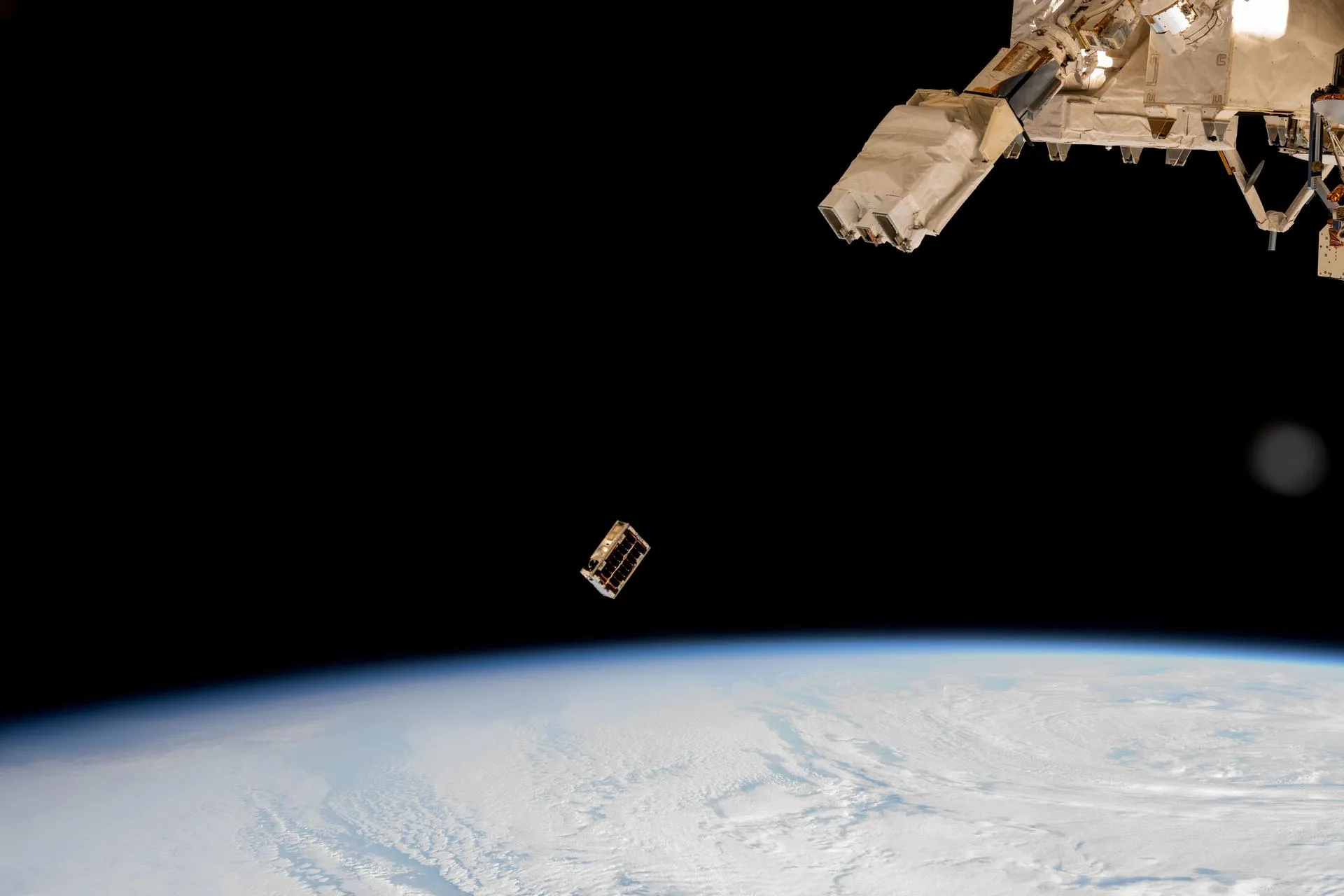
Northeastern’s first satellite. A student-built camera CubeSat, deployed from the ISS as part of a five-university constellation.
Overview
Launched · April 2026
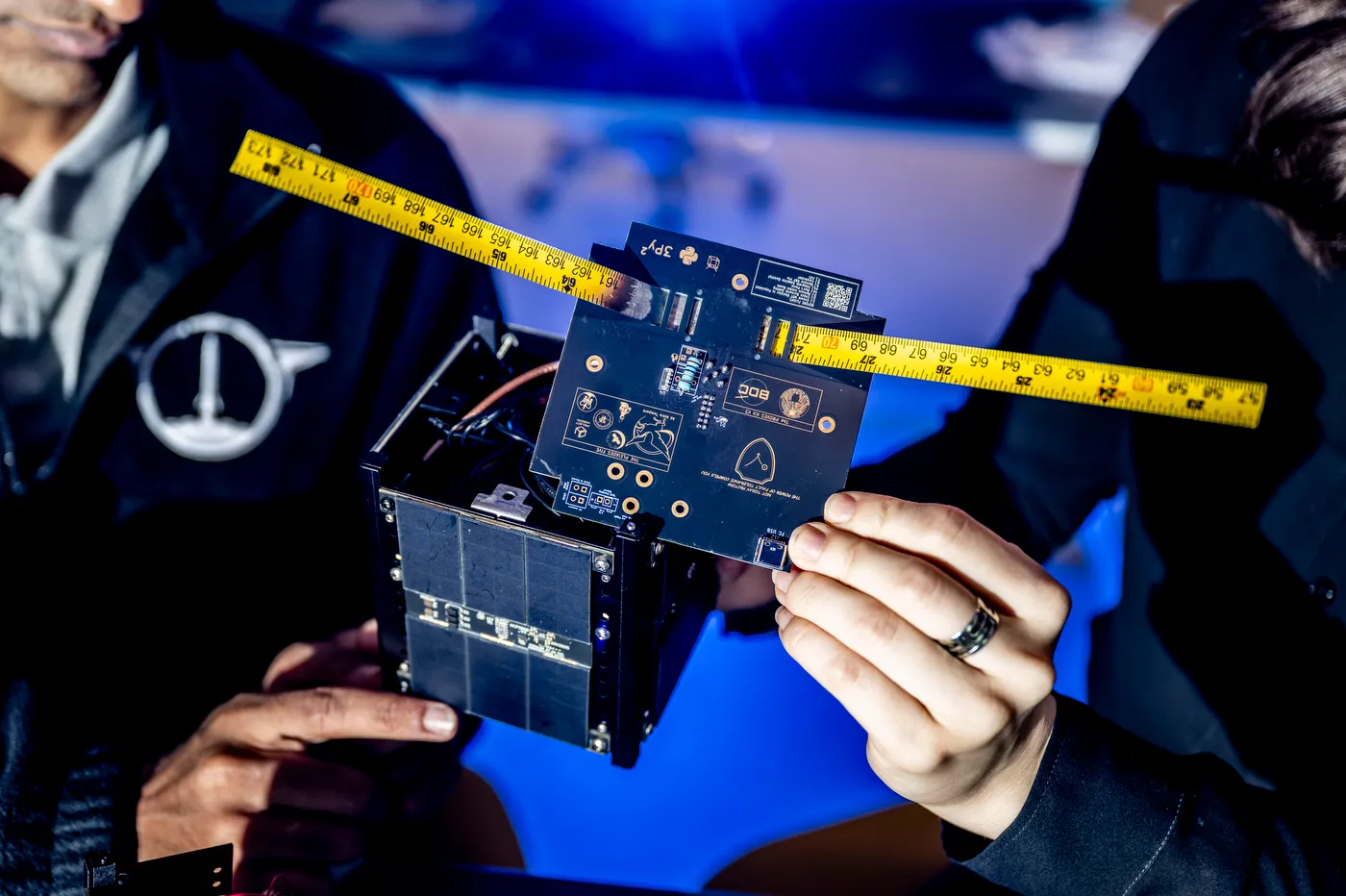
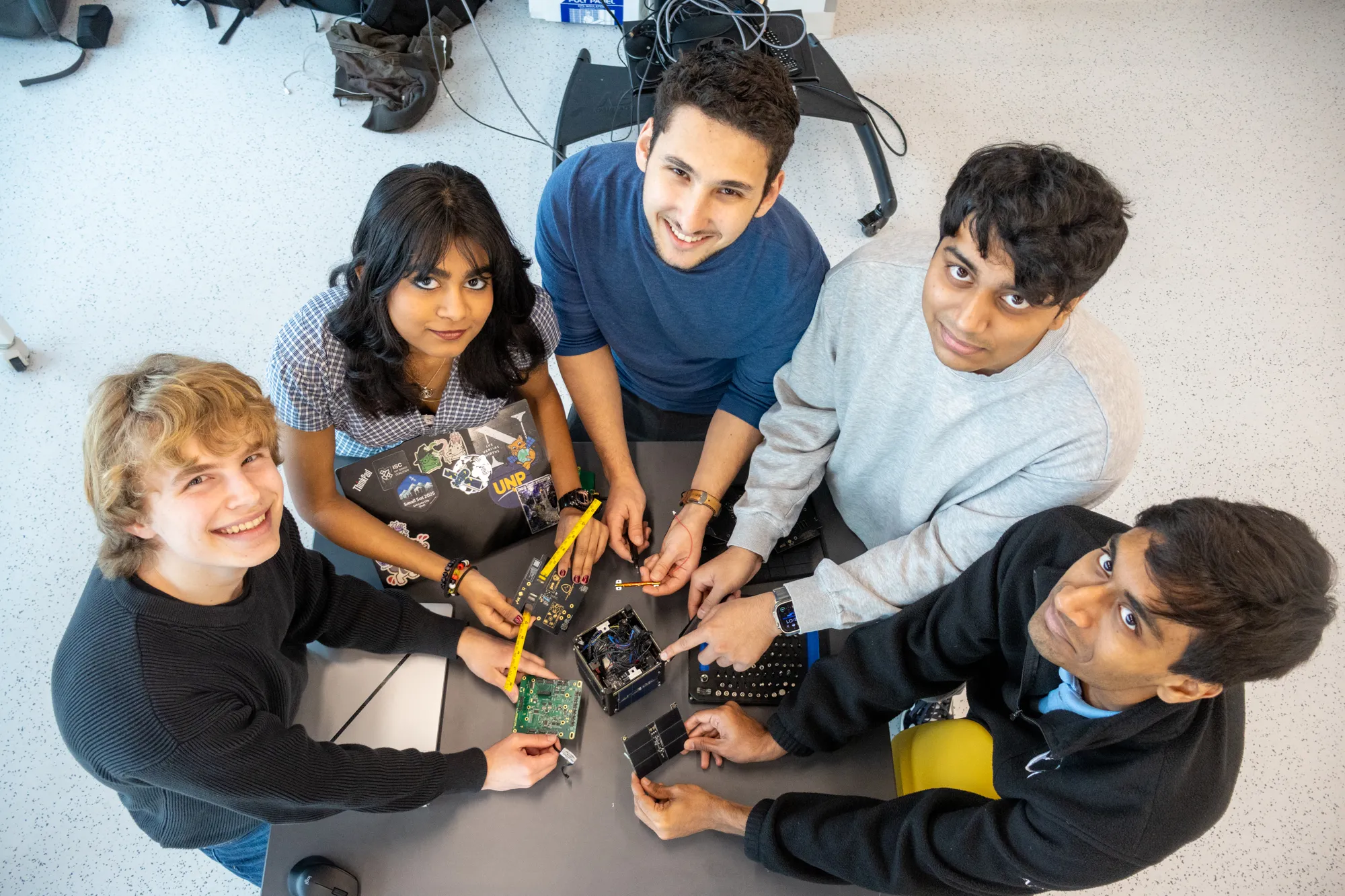
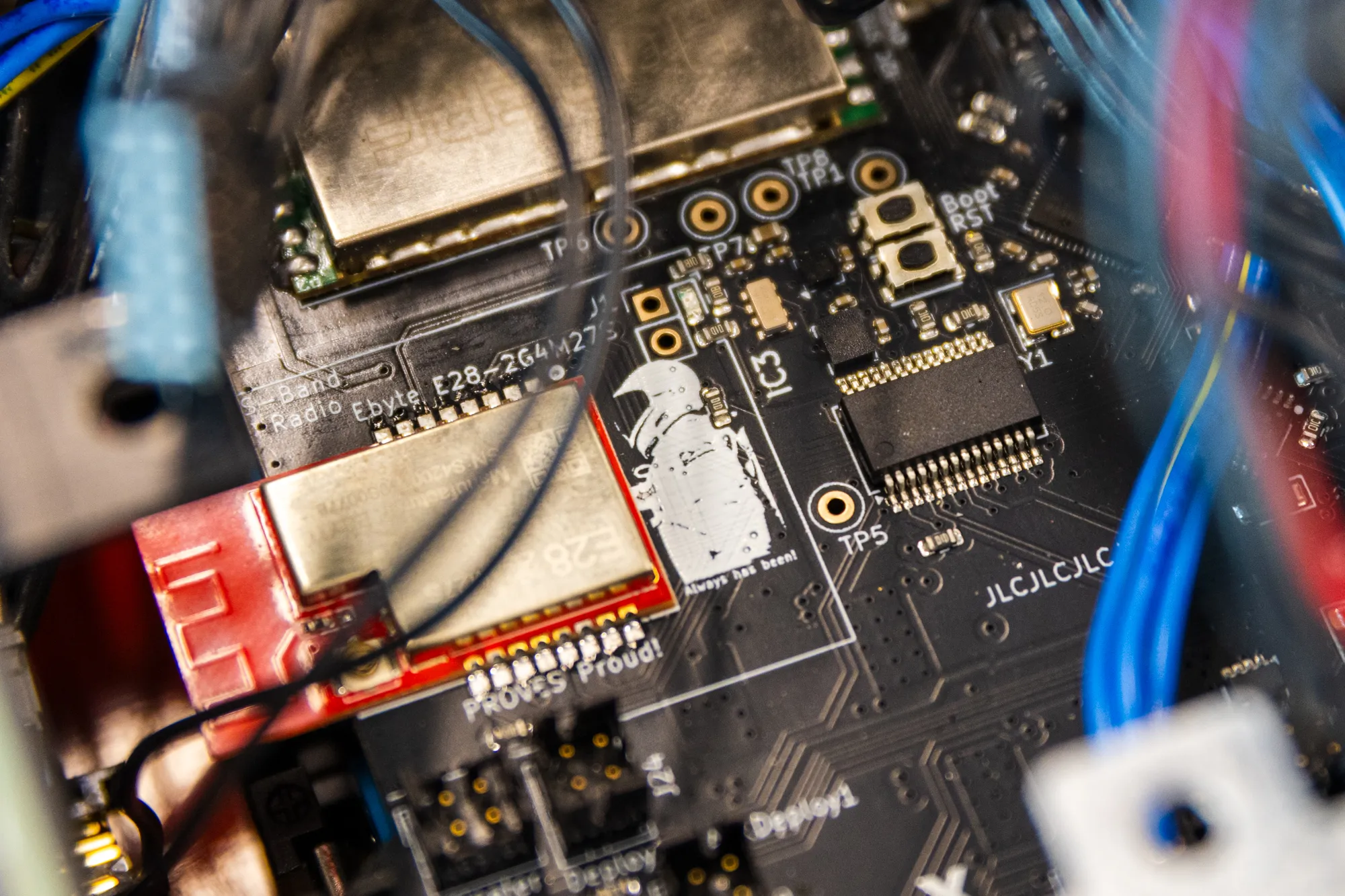
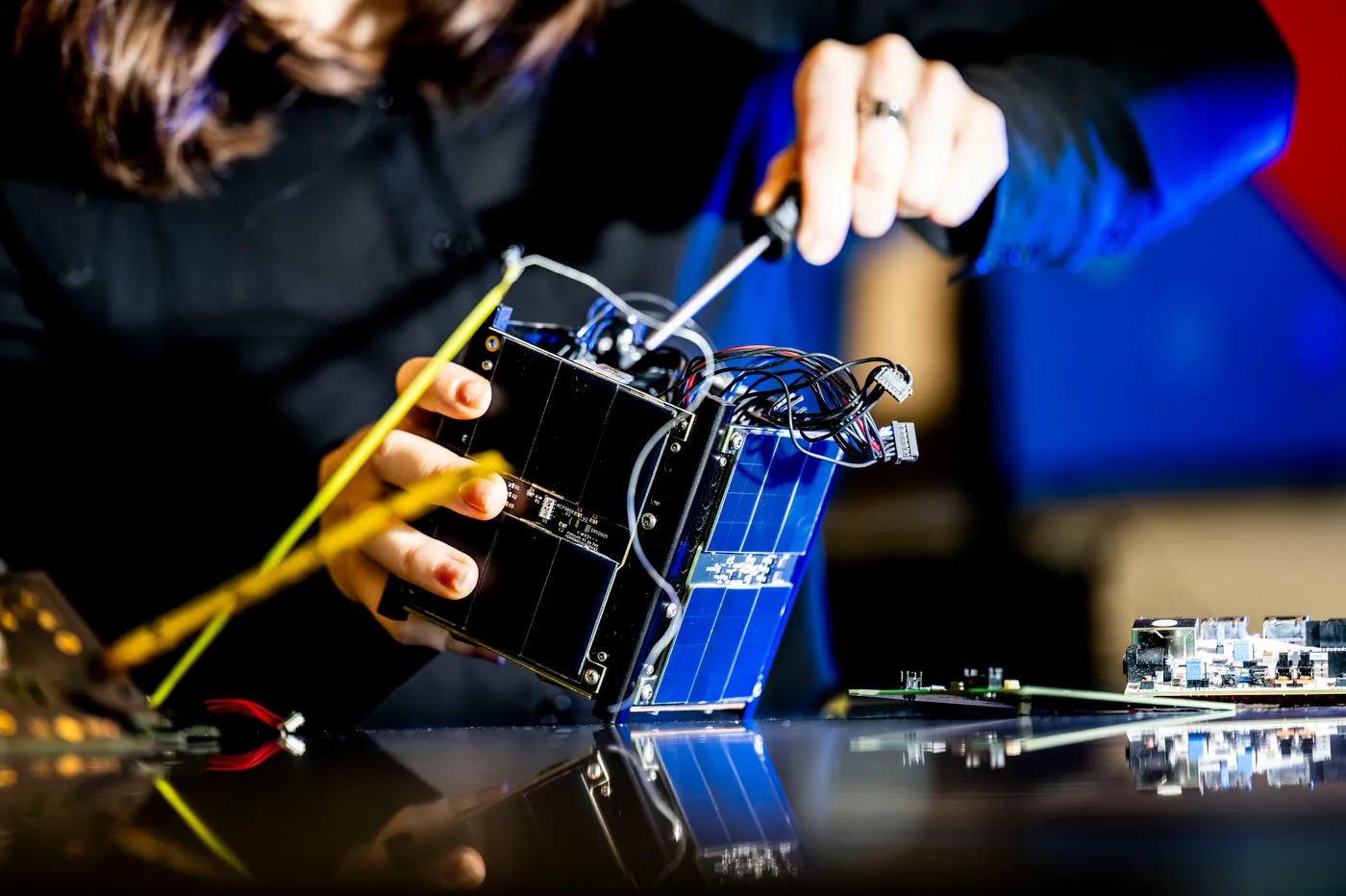
In April 2026, Northeastern went to space for the first time: a student-built CubeSat, deployed from the International Space Station as one of a five-satellite constellation. About 15 students built it in under a year, working shoulder-to-shoulder with the Pleiades Consortium, a group of five partner university teams led by Cal Poly Pomona. Our students worked on both the hardware and the software of the platform, including assembly, integration, and testing, with the satellite shipped around the country for environmental testing. We open-sourced all of it.
Atlas is an educational satellite with a Sony Spresense camera payload for imaging demos. It’s part of PROVES, an educational satellite program that’s also developing university CubeSat kits for under $3,000, lowering the barrier to space for students and researchers everywhere. Next up: a mobile ground station to track Atlas and the other PROVES satellites.
PROVES is an open-source inter-collegiate CubeSat program directed by Bronco Space, the CubeSat lab at Cal Poly Pomona, and led by its principal investigator, Michael Pham. Its design centers on affordability (under $5,000 for the entire satellite bus) and education for newcomers to the industry. Five student teams across America are building a constellation of PROVES Kit CubeSats, supported and launched under NASA’s CubeSat Launch Initiative.
Atlas is one of five satellites in the Pleiades Five constellation: universities sharing one bus architecture, each with its own mission-specific payload. The constellation was first conceived as an inter-satellite-link repeater network on amateur radio bands, with the satellites relaying signals to one another. Its scope has since evolved, but all five remain on track to launch together. Atlas is Northeastern’s first spacecraft.
- Students on the build
- ~15
- From kickoff to launch
- <1 yr
- Partner university teams
- 5
- Payload
- Sony Spresense camera
- Launch vehicle
- Northrop Grumman Cygnus XL
With the Pleiades Consortium, led by Cal Poly Pomona · PROVES